My First Day of 2nd Grade Back to School: A Journey of Growth and New Beginnings
Starting second grade marks a significant milestone in a child's educational journey. It is a time when young learners begin to transition from the foundational skills of first grade into more complex academic concepts, social interactions, and personal development. The excitement and nervousness that accompany My First Day of 2nd Grade Back to School are universal emotions shared by students, parents, and educators alike. This pivotal moment not only represents academic progression but also symbolizes the beginning of new friendships, challenges, and opportunities for growth.
For many children, the transition to second grade is both thrilling and daunting. They are now expected to handle more advanced math problems, engage in deeper reading comprehension, and participate in more structured group activities. These changes can be overwhelming, but they also provide a rich environment for learning and self-discovery. Parents and teachers play a crucial role in helping students navigate this transition with confidence and enthusiasm.
The Emotional Landscape of Starting Second Grade
The emotional experience of starting second grade varies from child to child. Some may feel excited about the new classroom, while others might feel anxious about making new friends or keeping up with the curriculum. It is essential for adults to recognize these feelings and provide support in a way that is tailored to each child’s needs. Encouraging open communication, offering reassurance, and creating a positive atmosphere can help ease the transition into this new phase of education.
One effective strategy is to involve children in preparing for their first day. Whether it’s choosing a new backpack, picking out school supplies, or discussing what to expect in the classroom, these small actions can build anticipation and reduce anxiety. Additionally, sharing stories or experiences from previous years can help children understand that change is a natural part of growing up.
Academic Expectations and Learning Outcomes
Second grade introduces students to a broader range of academic subjects and skills. Reading becomes more complex, with an emphasis on fluency, vocabulary expansion, and comprehension strategies. Students also begin to explore writing in greater depth, including composing short paragraphs, using proper grammar, and organizing ideas logically.
In mathematics, children work on mastering addition and subtraction facts, understanding place value, and solving multi-step word problems. Science and social studies lessons become more interactive, encouraging students to ask questions, conduct simple experiments, and learn about the world around them. These subjects lay the groundwork for future academic success and foster a love of learning that extends beyond the classroom.
It is important for parents and teachers to monitor progress and provide additional support where needed. Regular communication between home and school can help identify any areas where a student may need extra attention or resources. With patience, encouragement, and a supportive environment, every child can thrive in second grade.
Designs for Special Occasions: A Versatile Gift Option
While the focus of this article is on the educational experience of starting second grade, it is worth noting that creative designs can enhance the celebration of such milestones. Whether it's for a child's first day of school or a special occasion like a birthday, anniversary, or holiday, thoughtful design choices can make a meaningful impact.
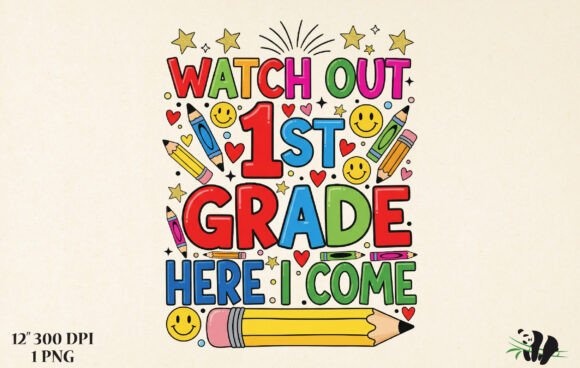
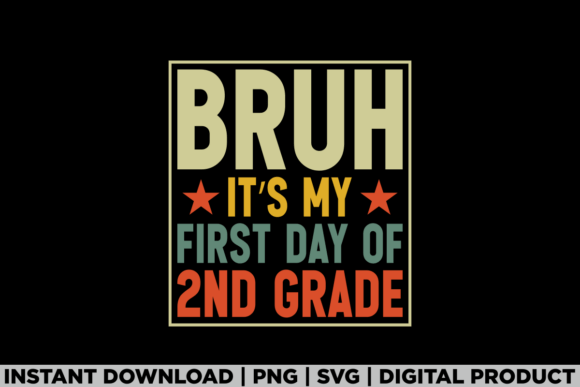
This design is perfect for yourself or someone special on various occasions. Ideal for moms, dads, sons, daughters, grandmas, grandpas, or dear friends, this design is a superb option for birthdays, anniversaries, Father’s Day, Mother’s Day, Halloween, Thanksgiving, Christmas, and any festive celebration. The versatility of this design makes it suitable for a wide range of uses and preferences.
When selecting a design for a special occasion, it is important to consider the recipient's interests, personality, and the nature of the event. A well-chosen design can convey thoughtfulness and appreciation, making the gift even more memorable. Whether it's a personalized illustration, a custom graphic, or a themed decoration, the right design can add a unique touch to any celebration.
Practical Uses of Digital Clip Art Files
Digital clip art files offer a convenient and versatile solution for those looking to create personalized gifts or decorations. These files come in high-resolution formats such as PNG and SVG, ensuring clarity and quality when printed or used digitally. The PNG file (4500px × 5400px, 300dpi) provides a transparent background, making it easy to integrate into various projects without unwanted elements.
The SVG file format is particularly useful for designers who need scalable graphics for use in software like Adobe Illustrator, CorelDRAW, or text editors. This flexibility allows for customization and adaptation to different sizes and mediums. Whether you're creating a scrapbook page, designing clothing prints, or preparing invitations, these digital assets can be easily manipulated to suit your needs.
These digital clip art files can be used for a variety of purposes, including:
- Scrapbooking: Add visual interest and personal touches to memory books and photo albums.
- Clothes printing: Create custom t-shirts, hoodies, or other apparel with unique designs.
- Cards and Invitations: Design personalized greeting cards, party invitations, or thank-you notes.
- Canvas Prints: Transform digital artwork into large-scale canvas prints for home decor.
- Stickers: Use the designs to create stickers for notebooks, laptops, or mobile devices.
- Printable Decorations: Print and display festive decorations for holidays or special events.
- Iron-on Transfer: Apply the designs to fabric items using iron-on transfer techniques.
- Engraving: Use the designs for engraving on wood, metal, or other materials.
- Cut Machines: Utilize the designs with cutting machines for crafting projects like paper crafts or fabric appliqués.
These applications demonstrate the versatility of digital clip art files, making them an excellent choice for anyone involved in creative projects. Whether you're a professional designer, a hobbyist, or simply looking to personalize a gift, these files offer endless possibilities for expression and creativity.
Getting Started with Digital Clip Art Files
Once you've purchased the digital clip art files, you will receive them in a compressed ZIP file. This file contains all the necessary assets, including the PNG and SVG files mentioned earlier. To access the contents, you will need to extract the ZIP file using software like WinZIP, WinRAR, or similar tools. Most modern operating systems also allow for direct extraction by double-clicking the ZIP file and following the prompts.
After extracting the files, you can begin working with them in your preferred design software or application. If you're new to digital design, there are numerous online tutorials and resources available to help you get started. Many programs offer user-friendly interfaces and intuitive tools that make it easy to edit, resize, and manipulate the graphics according to your specific needs.
Whether you're creating a one-of-a-kind gift, designing promotional materials, or enhancing your personal projects, digital clip art files provide a valuable resource for expressing creativity and individuality. Their high-quality resolution and scalability ensure that they can be used effectively across a wide range of platforms and mediums.
By incorporating these digital assets into your creative workflow, you can elevate your projects and bring your visions to life with ease and precision. From simple designs to complex compositions, the possibilities are limited only by your imagination and the tools at your disposal.